Limelight and Cornstalks
Part I: Seeds.
Jamie Barras.
The team of Australian baseball players, who have been touring in the United States, played their only match in England at the Crystal Palace on Wednesday. The Metropolis was not fully represented, but the victory of the Cornstalks by 21 runs to 8 was nevertheless highly creditable. So good was the fielding and batting work of each team in the first three innings that no scoring took place, but the Australians took the lead in the fourth innings, and gradually increasing it, won as stated.[1]
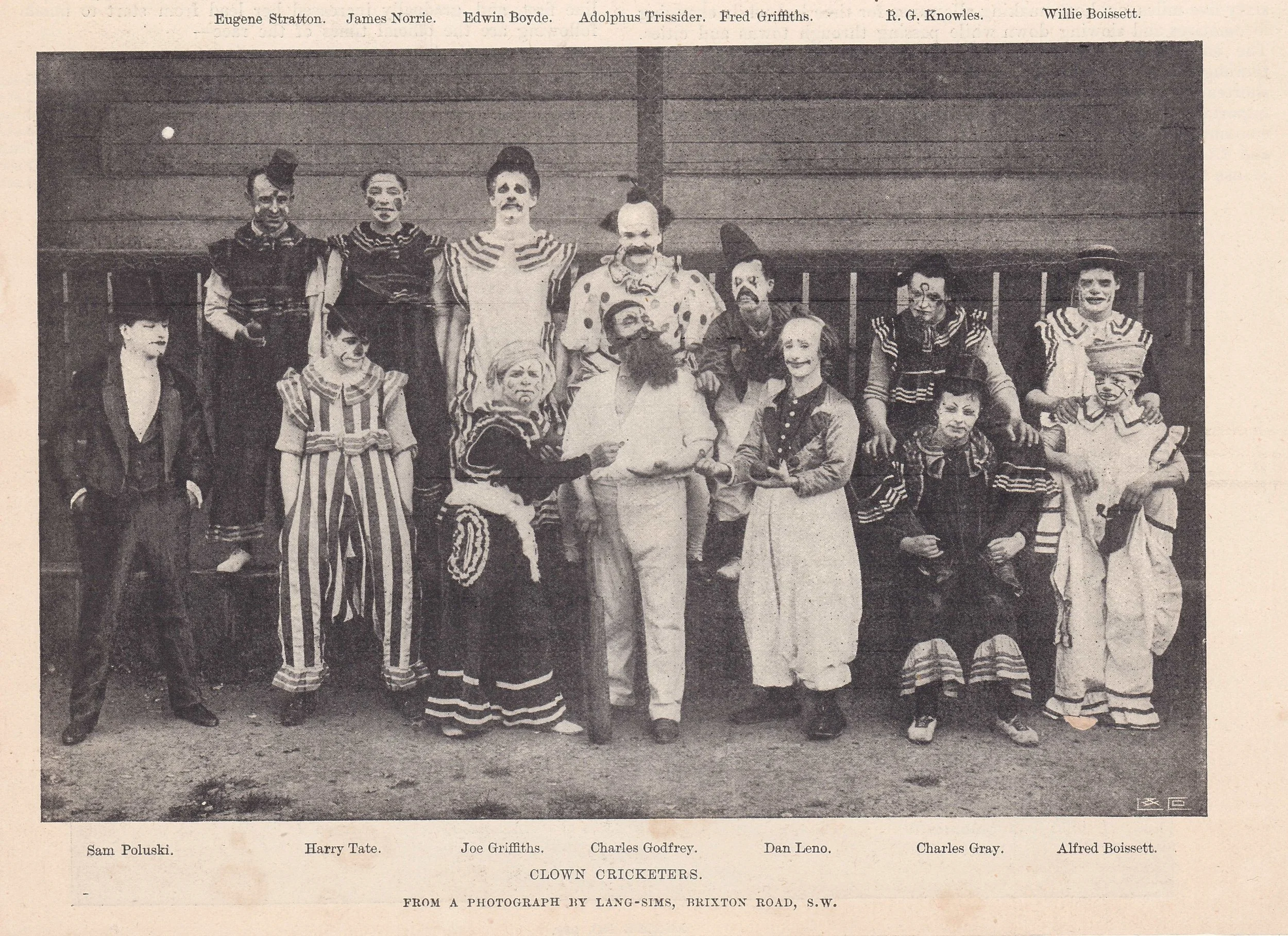
On Wednesday, 28 July 1897, a team of Australian baseball tourists took on and bested the “London Consolidated” club at the Crystal Palace in South London. Although from opposite sides of the world, the two teams had more in common than just baseball. The story of how they came to face off against each other is the story of how entertainers helped in attempts to popularise baseball in Britain and her empire. It is the story of three men whose backgrounds in entertainment gave them unique insights into how to promote the game, but also blinded them to the pitfalls. Two of those men, Harry Musgrove and R.G. Knowles, were in London on that July day.
The third was Charley Hicks.
The deciding game between the St. Kilda Baseball Club and Hicks’ Georgia Minstrels took place on Saturday last, on the St. Kilda Cricket-ground, in the presence of a very large body of spectators, and after seven exciting innings, resulted in a win for the Minstrels, the score standing—Hicks’s Georgia Minstrels, 27; St. Kilda B.B.C., 20. The Minstrels brought down a very strong team to do battle for them, as well as their full brass band, which enlivened the proceedings with several selections.[2]
Charles Barney “C.B.” Hicks (1840–1902) was a rare nineteenth-century example of a Black entertainer who moved into management. In the rough-and-tumble world of nineteenth-century entertainment, Hicks gave as good as he got. Rival managers lured away his best performers; he stole them right back. A business partner eased him out of the troupe they co-owned; he created a copycat and toured in opposition to the original. His world was the world of blackface minstrelsy, the caricaturing of African Americans for white entertainment. It was a tough life for a Black performer, but it was what nineteenth-century audiences wanted to see. Hicks was willing to smile and play along if it paid the bills.[3]
Hicks was a master of publicity; his favorite promotional tools were brass bands and baseball. The minstrel parade down Main Street, followed by a game against a local nine, was a staple of the era. Hicks took it around the world.[4]
His motivation was simple: in the second half of the nineteenth century, the American entertainment market became increasingly saturated, and large combines started squeezing out smaller operators. For some owner–managers, like Hicks, this meant looking beyond America for new markets. The globalisation of world trade created extensive transportation networks. American entertainers were particularly well equipped to exploit this development, as they were already used to travelling great distances on domestic tours; they were not daunted by the distances involved. Europe was in easy reach; by the third quarter of the nineteenth century, so were the nations of the Pacific Rim. Missionaries, military men, and minstrels spread out from America around the world.[5]
Mr. Charles B. Hicks, American comedian, was presented with a handsome medal, surrounded with beautiful stones, on April 27, bearing the following:—"Presented to Charles B. Hicks, American comedian, April 27, by S.A., Liverpool.”[6]
Hick’s first foreign adventure brought him to England—although not by design. In the Spring of 1870, he and fellow African American performer and manager Robert Henry “Bob” Height (1846–1881) embarked on a tour of Germany with a small troupe. The tour was a disaster, and Hicks and Height washed up in England without the wherewithal to make it back to the States. Instead, they signed up with Sam Hague, the white proprietor of a troupe of African American entertainers based in England. It took Hicks and Height over a year to earn enough to book passage back to the US. In true Hicks style, when he left, he took some of Hague’s performers with him, to Hague’s fury.[7]
It is unlikely that Hicks and his fellow minstrels played baseball while they were in England. Promotional tools only work if they feature something to pique the interest of potential customers. Baseball was nowhere on anyone’s radar in England in 1870. Cricket fans would have been aware of the game, as two years earlier, the England cricket team had played it on a tour of North America. However, the reports that reached England were not favourable; English observers described it as an organised version of the children’s game rounders. The earliest report of a game of baseball in England, which took place on 12 June 1871 at the Bat and Ball Cricket Ground, Gravesend, Kent, between two teams of US Navy sailors, described the game as “merely an elaboration of the well-known game of rounders”.[8]
We might speculate that Hicks and his fellow minstrels played some version of the game among themselves in their leisure time, but this must remain speculation. Instead, we need to move ahead seven years and halfway around the world to find evidence of Hicks using baseball to bring in the punters. This was in Australia in 1878. But first, we must set the scene.
BASE BALL—The first match in the colony (if we mistake not) of this somewhat novel game will be played to-day on the Lonsdale cricket ground, between the following nines:—Messrs Gaggin, Stewart, Goldsmith, Moodie, Jennings, Darke, Osborne, Cavanagh, Toller; emergency, Blanchard—against Egglestone, Campbell, D. Williams, Gair, Turnball, Richrd. Johnson, Coventry, T. Reeve, and Kelleher; emergency, Pearce.[9]
The baseball game that took place in Melbourne on Saturday, 5 June 1869, may have been the first match in Victoria (the “colony” of the report), but there are reports of games elsewhere in Australia as early as 1857. The Melbourne game is, however, the first for which we have extensive reports. The players were members of the Melbourne and East Melbourne Cricket Clubs. Cricketers would remain the keenest supporters of the game in Australia for decades to come. This may seem paradoxical given English cricketers’ aversion to the game; however, it reflects two situations unique to Australia: 1) in Australia, American immigrants and expatriates played the English game for want of competitive sport; these players readily embraced their national game on its arrival in Australia; and 2) thanks to Australia’s temperate climate, baseball was seen, at least initially, as a winter complement to the summer game of cricket and embraced as a way for cricketers to stay fit in the close season.[10]
With the game already having a presence in Australia, it was the perfect medium for Hicks to drum up some free publicity for his latest tour. The Hicks Georgia Minstrels arrived in Australia in July 1877 following a month-long tour of New Zealand. They would remain in the colony for the next three years (excepting a second three-month tour of New Zealand in 1879). To the Georgias, Australia was America without the Jim Crow Laws, and, logistically, touring the six colonies (as they then were) was no more of a challenge than crossing from one coast to the other back home.[11]
BASEBALL. A match of this popular game will be played in the Richmond Paddock on Saturday afternoon, between an eleven [sic] chosen from the Georgia Minstrels and a scratch team of whites.[12]
BASE BALL. Some well-known cricketers played a match with nine American players, including several of the Georgias, on Saturday, and succeeded in beating them by 22 to 9. The winning team consisted of Messrs. Alice, Gaggin, Hastings, Terry, Loughnan, Healey, Alexander, Budd, and Cavenagh. The losers were Messrs’ Courtwright, Rockefeller, Lester, Surridge, Jackson, Masters, Page, Crawford, and Malcolm.[13]
The first game involving the Georgia minstrels in Australia for which we have a record took place in Melbourne on Saturday, 3 August 1878. This was followed by a second game a few weeks later, in which some of the Georgias played alongside members of Melbourne’s American community. Their opponents included at least two of the players (Gaggin, Cavanagh) from the 1869 Melbourne game. There would be further games the following year, including a series of games against the St. Kilda Base Ball Club of Melbourne in June–August, 1879. For the last of those games, the Georgias again enlisted the services of members of Melbourne’s American community. The St. Kilda Base Ball Club was yet another Australian baseball club that was born out of a local cricket club stuffed with local American residents.[14]
The Georgias lost as often as they won—the perfect record from a promotional standpoint. We have a roster for the Georgia Nine from a charity game in Victoria in July 1879. The Georgias turned out in costume.
Mr Taylor Brown was captain on behalf of the Georgias, that team consisting of Messrs. R. Patterson (policeman), C.B. Hicks (Robert Macaire), A.D. Jackson (Henderson Africanus), Sam Keenan (Morning Glory), O.T. Jackson (Johnny Come Lately), J. Mills (Uncle Tom), Matlock (Quimbo), Taylor Brown (Boujai), Billy Sanders (Aunt Chloe), and Voltaire (Valentine Vox).[15]
Names to note alongside Hicks’ are those of Sam Keenan and Oscar T. Jackson. These two men would remain in Australia and tour independently after Hicks took the rest of the troupe back to the US in 1880. This made them available to be recruited by Hicks when he returned to Australia with a new troupe nearly a decade later.
Baseball. A match will take place on the East Melbourne ground, on Thursday afternoon, 14th February, at 3.30pm. Victoria Baseball Club will play a strong team from the Hicks–Sawyer Minstrels Company. They are all good players, having played in America and through New Zealand. Mr H.H. Simpson, of the All American team, will captain the Victorians, and a good game is expected.[16]
Arguably, the most significant games that Hicks’ new troupe, the Hicks–Sawyer Georgia Minstrels, played on their 1888–1890 tour were those in New Zealand in the summer of 1888–1889 (November–February, in this hemisphere). These were part of a brief flowering of the game in the Wellington area. Another African American entertainment troupe leader, Orpheus M. McAdoo (1858–1900), also played in at least one game in the Wellington area that season. One, possibly two, games had been played elsewhere in New Zealand a few years earlier (1881 and 1887). The Spalding baseball tourists (see below), on a port call on their way to Australia, also played a game in Auckland in December 1888. Alas, despite this activity, the game did not thrive in New Zealand.[17]
New to the Hicks Minstrels, and new to its baseball team, were pitcher Irving “Doc” Sayles (1872–1914) and team captain, William H. “Billy” Speed (?–?), both of whom, like Sam Keenan and Oscar Jackson before them, would make Australia their home. Meanwhile, Hicks, now pushing 50, switched to umpiring.[18]
For our purposes, the game in Melbourne in February 1889, in which the Hicks minstrels’ opponents were a Victoria team led by “Mr H.H. Simpson, of the All American team”, is of particular significance, as one of the Victoria players was the second of our protagonists, Henry Alfred “Harry” Musgrove (1858–1931).[19]
However, before moving on to tell Musgrove’s story, we should finish out Hicks’ story. In 1890, the Hicks–Sawyer Minstrels returned to the States, but without Charlie Hicks. Like Keenan, Jackson, Sayles, and Speed, Hicks saw his future in Australia. Although no paradise for people of colour, Australia still offered more opportunities than North America. In July 1891, Hicks signed on as the advance man (publicity and booking agent) for Harmston’s Circus. Although billed as an American circus, Harmston’s was founded in England in 1847. By the time Hicks joined, it was run by William Batty Harmston, the founder’s son. Within 2 years, Harmston would be dead, and his widow, Jane Evelyn Eldred Harmston, would take over the circus, assisted by the circus manager, Robert Love, whom she would later marry. Hicks, now billed as “Colonel Charles B. Hicks”, would spend a decade touring the nations of the Pacific Rim with Harmston’s. A pioneer and visionary who was not afraid to get his hands dirty, he succumbed to cholera in Java on 22 July 1902, aged 62.[20]
A BASEBALL TEAM FOR AMERICA. Melbourne, December 29. At a meeting of baseball players held this evening, it was decided that a team should visit America under the management of Mr. Harry Musgrove. The team will probably leave here next March, and a series of matches will be played in the States.[21]
Henry Alfred “Harry” Musgrove (1858–1931), the man who led an Australian baseball team on a tour of the US and England in 1897, was known primarily as a cricketer. His qualification for leading the Australian baseball tourists was that he had led Australian cricket tourists to England and America the previous year. However, of greatest interest to us here is that he secured the job of managing the cricket tour thanks to his “day job”. He was a business manager in the employ of theatrical producers Williamson, Garner, and Musgrove. The “triumvirate”, as they were known, had a near-monopoly of theatrical entertainment in Australia in the late nineteenth century. The “Musgrove” of the partnership was Harry’s big brother, George Musgrove (1853–1919).[22]
Harry Musgrove oversaw dozens of Australian tours by English variety companies for the triumvirate. He was known for his organisational skills. As with American entertainment troupe managers like Charley Hicks, he was not daunted by the great distances involved in bringing troupes from one side of the world to the other. He was front-loaded to recognise baseball’s potential for global reach.
The Musgrove brothers had been born in England, the sons of a Surrey accountant who emigrated to Australia with his growing family in the 1860s. Their introduction to show business was via their uncle, theatre impresario W.L. Lyster, the first producer to make a success of Grand Opera in Australia.[23]
Harry Musgrove’s introduction to baseball coincided with the tour of Australia by the Hicks–Sawyer Georgia Minstrels, and, as we have seen, Musgrove would turn out for a Victoria team against the Minstrels in Melbourne in February 1889. However, it was a different group of baseball tourists also in Australia that summer that inspired him to take up the game.
The teams are well matched, winning and losing alternatively. They have been brought to Australia by Mr. Spalding, the president of the champion baseball club of America, on precisely similar lines to those upon which amusement companies of another other kind come to these shores, and their visit to us is the beginning of a tour around the world.[24]
The much-storied Spalding World Baseball Tour reached Australia on 15 December 1888 and remained until the first week of January 1889. It was the brainchild of another man who recognised baseball’s potential for global reach and universal appeal, sports team owner and sports equipment manufacturer, Albert Spalding. Spalding and his fellow tourists arrived in Australia from New Zealand, a port call that was extended to allow the tourists to play a game of baseball. During their stay in Australia, the two teams, Spalding’s Chicago White Stockings and an All-America combine, played a total of 12 games against each other. They also played a three-innings game against a local team in Melbourne made up largely of American residents in the city, winning easily. There was also a game of cricket against another Melbourne combine, which they, predictably, lost badly. The comparison to an entertainment troupe in the quote above is telling: the purpose of the tour was promotion; promotion of baseball as a game and of the Spalding Bros. company as suppliers of equipment to play the game. As with the Hicks–Sawyer Minstrels in their promotional games, each of the Spalding tourist teams won as often as it lost, the perfect record from a promotional point of view.[25]
Australia was the first stop of the tour (pace the impromptu game in New Zealand), and the visit was judged a great success, creating a sense of optimism about the rest of the tour that, alas, was not to be borne out. In an attempt to capitalise on the moment, Spalding tasked the tour’s young assistant business manager, Harry H. Simpson (1863–1891), to stay in Australia and establish baseball leagues in the six colonies.[26]
Within a week of the tourists’ departure, Simpson was overseeing games in Melbourne. In February, as we have seen, that would include a game featuring the Hicks–Sawyer Minstrels; however, the first team to put itself forward, and which became Simpson’s main support in his cause, was another team featuring Harry Musgrove. Its name was the Thespians.
BASEBALL. Thespians v. Albert Park.—This match was played on the East Melbourne [cricket] ground yesterday afternoon, in the presence of a large attendance. The Thespian team, which had the assistance of Mr. H. H. Simpson, of the American Baseball Team, was captained by J.C. Williamson, who was well supported by Messrs. G. Musgrove, H. Musgrove, C. Coghill, W. Ford, F. Burton, and P. Lewis. J. Moore as pitcher played very well.[27]
“J.C. Williamson” was James Cassius Williamson (1845–1913), the American-born theatre impresario who headed “the triumvirate”. One of his partners, Harry’s big brother, George, was also in the Thespians team, as were Harry himself and several actors and singers associated with the Williamson, Garner, and Musgrove organisation. English- and Australian-born entertainers had a natural affinity for American cultural exports—by the 1880s, much of their material was American either in origin or inspiration. If any non-Americans were going to be susceptible to baseball’s charms, it was entertainers.[28]
The Thespians baseball team was born out of the Thespians Cricket Club, which Williamson also captained. Many of the Thespian cricketers also played for other clubs in the Melbourne area. This would also prove to be the case for the Thespian baseballers. After a game against a team of American residents from the Albert Park area of Melbourne, which the Thespians won 25–15, its players, guided by Harry Simpson, dispersed among the growing number of baseball clubs in the Melbourne area.[29]
On 1 February 1889, Harry Musgrove turned out for the Metropolitan Base Ball Club in a game against the Melbourne Cricket Club baseball team. Fellow Thespians James Moore and W. Ford played alongside Musgrove, while another Thespian, Percy Lewis, played for Melbourne. As we have seen, later that month, Musgrove turned out for Victoria in a game against the Hicks–Sawyer Minstrels; Lewis and Moore were also in the Victoria nine. In April, all three played for Victoria against a team from South Australia in the first “intercolonial” baseball game, at the East Melbourne Cricket Ground. Within a few months, the Metropolitan Baseball Club would be superseded by a team organised by the East Melbourne Cricket Club.[30]
Building on the foundation provided by Musgrove and the other Thespians, young Harry Simpson oversaw the launch of leagues in both Victoria and South Australia in 1889. For the next two years, Simpson continued to support efforts to launch baseball leagues not only in Australia but in New Zealand, too. Tragically, in 1891, while on a trip to New Zealand, he contracted typhus and died, aged just 28.[31]
BASEBALL. The match between the Perth and Freemantle nines will be played this afternoon on the Oval at Freemantle prior to the commencement of the test football match.[32]
BASEBALL NOTES. The newly-initiated Baseball League is the latest addition to the field sports in South Tasmania.[33]
By 1896, baseball was thriving in four of Australia’s six colonies (Victoria, South Australia, Western Australia, Tasmania), and hope sprang eternal that the start–stop New South Wales baseball scene would spring into life once more; only Queensland was a holdout. It was against this backdrop that Harry Musgrove led an Australian cricket team on a tour of England and then America. While in America, he conceived the idea of bringing an Australian baseball team to the country. In communicating this idea to people back home, he claimed that “leading American players consider that such a visit would be very popular if the Australian players were equal to even third-class form”. It was also reported that “definite” plans for a tour had been agreed at a conference in Philadelphia between Musgrove, Col. J.T. Morgan, treasurer of the “Philadelphia Baseball Club”, [Al] Reach, and [Albert] Spalding. Later reports would call these assertions into question.[34]
On his return to Australia in December 1896, Harry Musgrove set about recruiting the cream of the Victoria and South Australia leagues for the tour. In an ominous sign of things to come, he also appeared before a committee of the Australasian Cricket Council to defend the way he ran the just-concluded cricket tour. The argument centred on Musgrove making decisions about the tour’s finances without consulting the Council.[35]
The Australian baseball tourists set off for the US on 15 March 1897, making landfall in San Francisco later that month. What followed was an unmitigated disaster.
Up to the present time I know very little about the plans of the Australian baseball team. In fact, we have only recently heard of the news of their intention of coming at all. If the promoters of the enterprise are coming into the scheme as a money-making enterprise I fear it will not be a great success, principally for the reason that such a short time is left to prepare arrangements for games, for as you know all the of the leagues in this country make out a schedule of games from the commencement to the close of the season, and all these schedules are practically made and usually completed in February and March of each year.[36]
Contrary to earlier reports, no one involved in the organising of the game in the US had any inkling that the Australian team was on its way. In January 1897, R.H. Sellars, an American resident of Adelaide involved in the South Australian baseball scene, wrote to Albert Spalding in Chicago to inform him of the Australian team’s travel plans. Spalding’s reply arrived after the tourists had already departed. In it, Spalding expressed astonishment that the tour was proceeding. As far as he was aware, no games had been arranged; nor did he believe that any games could be arranged this late in the pre-season, at least, not with any clubs of note. He was also of the view that, unless the game in Australia had progressed by leaps and bounds since 1888, the Australian team would struggle against America’s leading clubs. He offered to do everything he could to help, but was of the view that the tourists should never have set out.[37]
Spalding’s words proved prescient. The Australian team played their first game of the tour against the Olympics of San Francisco. They lost 20–9, incurring the ridicule of the San Francisco press along the way. The reporters’ verdict was that “the kangaroos can’t play ball”. Attendances for subsequent games in California were so poor that the team mooted returning to Hawaii to get in some practice playing local teams before either making a second attempt at America or simply going home. In the event, Musgrove, whose reputation was on the line, decided to soldier on. The team headed east, hoping that things would look up.[38]
They did not. Of the 26 games that the team played—against amateur teams, and, on one occasion, “veterans” led by a 47-year-old Albert Spalding—it won 8 and lost 18. By Musgrove’s own admission, those few victories were against “very inferior” teams. The tourists also blew through the full £1500 that their chief backer, A.J. Roberts, had invested [in expectation of making a profit]. Musgrove would later claim a further £110 in personal expenses, a contested figure that would lead to Musgrove threatening libel action against an Australian newspaper that opined that this claim amounted to fraud.[39]
The tourists departed America for England in July 1897, with their tails between their legs. There, after a final game against the “London Consolidated” club that attracted a crowd of tens, not hundreds, the team disbanded. The players were left to make their own way home. This ended Musgrove’s involvement with baseball, although he would make a return as a cricketer. In association with his brother, George, he would spend an increasing amount of time in London sourcing acts for theatrical tours of Australia. He died in 1931. All his obituaries mentioned his management of the Australian cricket team that visited England and America in 1896. It was a rare report that referenced his stewardship of the baseball tour of America the following year.[40]
Another Team for Australia—Charles B. Hicks, the coloured minstrel manager, will get ahead of A.G. Spalding in introducing baseball in Australia, if the game remains to be introduced there. “Baseball has already been played in Australia,” said Mr. Hicks, in the “Sporting Journal” Tuesday. “I introduced it myself in 1877, when I played a game in Sydney on the Fourth of July[…]I saw Mr. Spalding and Mr. Anson the other day, and I told them that if they thought I would be interfering with their plans I would let the thing drop, as baseball would at best be only a side show with me. Both agreed that it would be a pretty great idea for me to go ahead and break the ice, as it would awaken an interest in the game.[41]
Charley Hicks succeeded in his attempts to use baseball as currency to buy publicity and goodwill. Harry Musgrove failed in his attempt to use baseball as a commodity he could sell back to its originators. But both men were right in their view, born of their show business experience, that baseball had the potential for global reach. In Parts Two and Three of this series, we will return to the game that Musgrove’s Australian baseball tourists played in London in July 1897 and tell the story of the man behind the tourists’ opponents. His name was R.G. Knowles, and he was drawn to baseball because he recognised its potential for broad appeal. The scene he created would come with its own challenges.
Jamie Barras, July 2026.
Back to Limelight and Cornstalks
Notes
[1] ‘Sport and Pastime’, Beckenham Journal, 31 July 1897.
[2] ‘Baseball’, The Argus (Melbourne, Vic.), 28 July 1879.
[3] The standard works on the life and career of Charley Hicks are the following:
1. Robert C. Toll, Blacking up: the minstrel show in nineteenth-century America (New York: Oxford University Press, 1974),198–215; accessed at https://archive.org/details/blackingupminstr0000toll_a6k6/mode/2up, 30 June 2026.
2. Eileen Southern, ‘The Georgia Minstrels: The Early Years’, Inter-American Music Review, 2019, 10, 157–167. https://iamr.uchile.cl/index.php/IAMR/article/view/53523, accessed 26 March 2026.
To these can be added a new work:
3. Thomas, Arminda, and Kellen Hoxworth. 2026. “On the Margins of Black Minstrel History: The Georgia Minstrels and Charles B. Hicks from Macon to Melbourne.” TDR : Drama Review (Cambridge) 70 (1): 73–94. https://doi.org/10.1017/S1054204325101081.
[4] The importance of baseball to touring African American entertainment troupes: Abbott, Lynn, and Doug Seroff. Ragged but Right: Black Traveling Shows, “Coon Songs,” and the Dark Pathway to Blues and Jazz. Jackson: University Press of Mississippi, 2007. https://muse.jhu.edu/book/9959. It has to be acknowledged that this legacy is a contested one: Gary Ashwill, 'Underground Pastime: The Hidden History of the Negro Leagues', https://www.facingsouth.org/2002/10/underground-pastime-hidden-history-negro-leagues, accessed 26 March 2026.
[5] Matthew W. Wittmann, ‘Empire of Culture: U.S. Entertainers and the Making of the Pacific Circuit, 1850–1890’, PhD Thesis, University of Michigan, 2010, https://deepblue.lib.umich.edu/items/2d7d550b-21b8-4966-bc2c-bf0448e37fdf, accessed 8 July 2026.
[6] ‘Liverpool: St James Hall’, London and Provincial Entr'acte, 13 May 1871.
[7] Hicks and Height: Note 3 above. Hague’s fury: ‘Mr Sam Hague…’, The Days' Doings, 25 November 1871. Hague did at least forgive Height, as Height rejoined the Hague troupe on his return to England: ‘Sam Hague’s Minstrels’, Birkenhead & Cheshire Advertiser, 8 November 1873. Height would die in England in 1881, aged just 35: death record for Robert Henry Height, Manchester, 1881, search of Births, Marriages, and Deaths, https://www.freebmd.org.uk/cgi/search.pl, accessed 7 July 2026.
[8] England Cricket team playing baseball in North America, 1868: ‘The National Game: The All England Eleven vs. St. George’s Cricket Club’, New York Daily Herald, 19 September 1868. Boston nine: ‘Bricks on Cricket, but Clay on Base Ball’, Cleveland Leader, 2 October 1868. Union Club: ‘Base Ball: The International Base Ball Match’, New York Herald, 21 October 1868. There was also a practice game during an earlier tour, in October 1859: Frederick Lillywhite, 'The English cricketers' trip to Canada and the United States' (London: F. Lillywhite, 1860), 50; ‘All-England Eleven at Base Ball’, Bell’s Life in Victoria and Sporting Chronicle, 11 February 1860, reproducing the game report from Wilke’s Spirit of the Times. Gravesend game: ‘A Game of Base Ball’, Gravesend Reporter, 17 June 1871.
[9] ‘Base Ball’, Leader (Melbourne, Vic.), 5 June 1869.
[10] For an overview of the early history of baseball in Australia, see John Thorn, “Australian Baseball: A Brief History”, https://ourgame.mlblogs.com/australian-baseball-a-brief-history-54e1cadfddb1, https://baseball.com.au/baseball-australia/history/, accessed 7 July 2026. For origins of the players, compare the list, Note 7 above, with that here: ‘Cricket: East Melbourne v. South Melbourne’, Leader (Melbourne, Vic.), 18 December 1869. Baseball as winter complement to cricket: ‘Baseball’, The Australasian (Melbourne, Vic.), 5 July 1890.
[11] Thomas and Hoxworth, Note 3 above, third reference. For an exhaustive account of the tour, see Wittmann, Note 5 above, 253–268. Hicks’ Georgia Minstrels: https://viewer.lib.harvard.edu/viewer/?manifestId=https://nrs.lib.harvard.edu/URN-3:FHCL.HOUGH:4341412:MANIFEST:3, https://viewer.lib.harvard.edu/viewer/?manifestId=https://nrs.lib.harvard.edu/URN-3:FHCL.HOUGH:4341413:MANIFEST:3, accessed 5 July 2026.
[12] ‘Baseball’, The Herald (Melbourne, Vic.), 2 August 1878.
[13] ‘Base Ball’, Leader (Melbourne, Vic.), 7 September 1878.
[14] Notes 12 and 13 above. St Kilda games: ‘Baseball’, The Age (Melbourne, Vic.), 21 June 1879; ‘Baseball’, The Age (Melbourne, Vic.), 21 July 1879; ‘Baseball’, Leader (Melbourne, Vic.), 2 August 1879. It is worth noting that Charley Hicks would later state that his first game in Australia was played in Sydney on 4 July 1877; see Note 41 below.
[15] ‘The Georgia Minstrels. Base Ball Match’, Gippsland Mercury (Sale, Vic.), 2 August 1878.
[16] ‘Baseball’, The Age (Melbourne, Vic.), 9 February 1889.
[17] ‘Baseball in Wellington’, Lyttelton Times (Lyttelton, NZ), 6 March 1889. Orpheus McAdoo: Lynn Abbott and Doug Seroff, Out of Sight: The Rise of African American Popular Music, 1889-1895 (Jackson: University Press of Mississippi, 2002), 119-140; quoted here: https://beinecke.library.yale.edu/article/orpheus-m-and-mattie-allen-mcadoo-papers, accessed 18 June 2026. For an overview of American entertainment troupes and the Pacific Circuit, see Wittmann, Note 5 above. Other early games in New Zealand: https://protoball.org/New_Zealand, accessed 8 July 2026.
[18] ‘Local News’, Evening Post (Wellington, NZ), 8 November 1888; ‘Theatrical: Notes by Pasquin’, Otago Witness (Otago, NZ), 4 January 1889; ‘Baseball’, The Express (Adelaide, SA), 11 April 1889; ‘Baseball’, Saturday Journal (Adelaide, SA), 11 April 1889. Irving Sayles: https://web.archive.org/web/20120302175417/http://www.hat-archive.com/irving_sayles.htm, accessed 7 July 2026.
[19] Harry Musgrove: https://cricketweb.net/statsspider/player/409601.php, accessed 7 July 2026. In the Victoria team against the Hicks–Sawyer Minstrels: ‘Baseball’, The Age (Melbourne, Vic.), 22 February 1889.
[20] Harmston’s: https://ninjin.co.uk/harmstons-circus/, https://natlib.govt.nz/records/22550120, accessed 7 July 2026. Hicks joins Harmston’s: ‘Stage, Song, and Show’, The Sun (Sydney, NSW), 11 April 1891. Death of Hicks: ‘Footlight Flashes’, Evening Star (Dunedin, NZ), 11 September 1902. Photographic portrait of Hicks from his time with Harmston’s: Charles B Hicks. Cox, Margaret Irene, 1887-1968: Portraits of theatrical personalities. Ref: PA1-q-240-361. Alexander Turnbull Library, Wellington, New Zealand. /records/22657116, accessed 5 July 2026.
[21] ‘Baseball’, The Observer (Adelaide, SA), 2 January 1897.
[22] George Musgrove: https://adb.anu.edu.au/biography/musgrove-george-4284, accessed 7 July 2026. Harry Musgrove’s qualifications for managing the cricket tour of England: ‘Australian Cricket Team for London’, Sketch, 26 February 1896.
[23] Harry Musgrove tells the story here: Harry Musgrove, ‘Stage Secrets’, Table Talk (Melbourne, Vic.), 12 August 1926. Lyster: https://adb.anu.edu.au/biography/lyster-william-saurin-4053, accessed 7 July 2026.
[24] ‘The Baseball Players’, Daily Telegraph (Sydney, NSW), 17 December 1888.
[25] Record of the tour: https://chicagology.com/baseball/1888worldtour/, accessed 7 July 2026. Against Melbourne Baseball Club: ‘Football and Baseball’, The Age (Melbourne, Vic.), 7 January 1889. They also played at least one game of cricket while in Australia: ‘The American Baseball Players’, Evening News (Sydney, NSW), 20 December 1888.
[26] Harry H. Simpson: Marion Corry, compiler, ‘Waverley Cemetery, Who’s Who, Sporting Lives’ (Waverley, NSW: Waverley Library, 2000), 83, https://www.waverley.nsw.gov.au/cemeteries/_media/documents/Waverley_Cemetery_Whos_Who_Sporting_Lives.pdf, accessed 7 July 2026.
[27] ‘Baseball’, The Argus (Melbourne, Vic.), 19 January 1889.
[28] Williamson: https://adb.anu.edu.au/biography/williamson-james-cassius-4859, accessed 7 July 2026.
[29] Thespians cricket team: ‘Sporting Life’, Melbourne Punch (Melbourne, Vic.), 31 January 1889.
[30] ‘Baseball’, The Argus (Melbourne, Vic.), 1 February 1889; Note 17 above, second reference; ‘First Intercolonial Baseball Match’, The Age (Melbourne, Vic.), 22 April 1889.
[31] Note 10 above, first reference.
[32] ‘Baseball’, The West Australian (Perth, WA), 22 August 1896.
[33] ‘Baseball Notes’, The Clipper (Hobart, Tas.), 23 May 1896.
[34] ‘Australian Baseball Team’, Queensland Times, 3 November 1896. Australian Cricket Team in America: https://www.dreamcricket.com/articles/history-of-american-cricket/history-of-american-cricket-part-vii--1890s/, accessed 8 July 2026. Philadelphia conference: ‘Baseball: The Australian Team’, Evening News (Sydney, NSW), 8 December 1896, quoting a report in the New York Clipper.
[35] Americans in the Australian baseball team included Frank Laver and Peter McAllister; compare the team list here: https://collectionswa.net.au/items/2766f929-1569-4c5b-8758-79cbc7238e06, accessed 8 July 2026, and this report: ‘Essendon v. East’, The Sportsman (Melbourne, Vic.), 21 June 1898. The full list of players and their clubs is given here: ‘Baseball Team for America’, Coolgardie Miner (Coolgardie, WA), 11 January 1897. Cricket Council Meeting: ‘The Australian Eleven’, The Argus (Melbourne, Vic.), 30 December 1896.
[36] ‘Baseball: The Australian Team’, The Advertiser (Adelaide, SA), 8 December 1896
[37] Note 36 above.
[38] ‘The Australian Baseball Team in America’, The Coolgardie Miner (Coolgardie, WA), 8 June 1897.
[39] ‘Australian Baseballers in America’, The Argus (Melbourne, Vic.), 3 August 1897. Musgrove’s account of the tour: ‘The Baseball Team in America: To The Editor of the Age’, The Age (Melbourne, Vic.), 16 June 1898.
[40] Of the nine obituaries I found, only two mentioned the baseball tour: ‘Peeps at People’, Sunday Times (Perth, WA), 8 November 1931; ‘Harry Musgrove Dead’, Sporting Globe (Melbourne, Vic.), 11 November 1931. However, one of the players on the tour, Sydney Smith, did write a letter to the papers following Musgrove’s death, praising his efforts: ‘Harry Musgrove and Baseball’, The Advertiser (Adelaide, SA), 12 November 1931.
[41] ‘Baseball’, The Referee (Sydney, NSW), 2 August 1888, quoting the Sporting and Dramatic News.
Clown Cricketers, Sketch Magazine, 9 October 1895. Author's own collection.
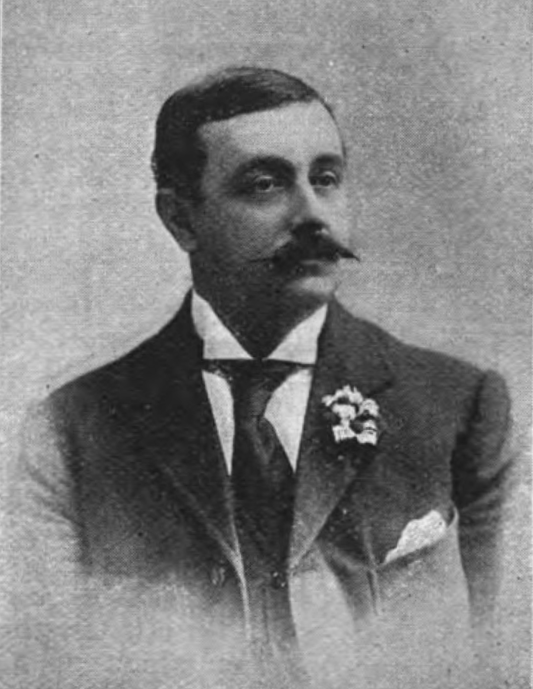
Harry Musgrove (1858-1931), wikicommons. Public domain.
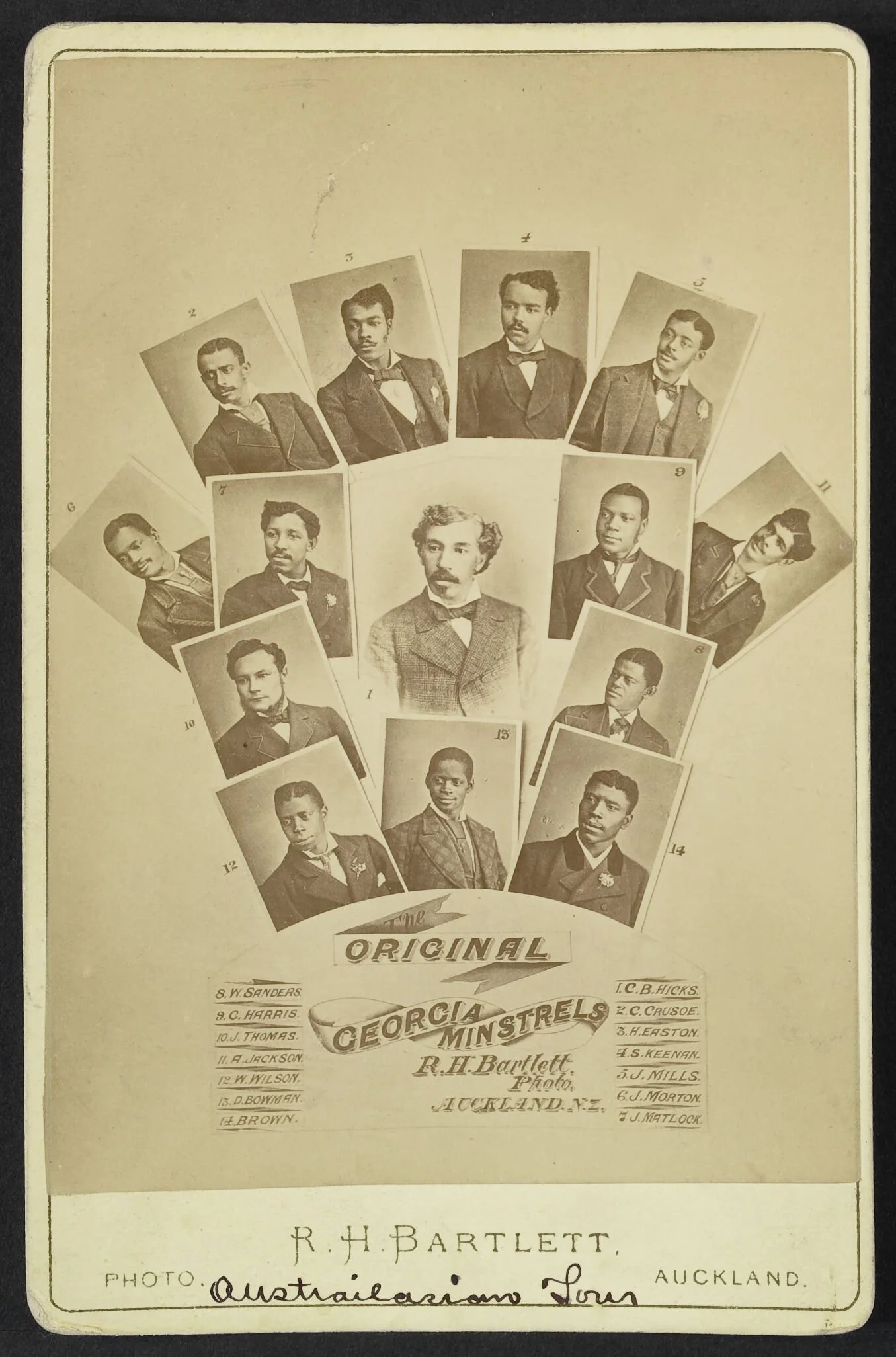
Hick's Georgia Minstrels. Harvard Theatre Collection TCS_1.440. Public domain.
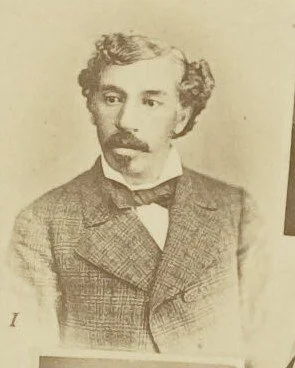
Charles Barney Hicks (1840-1902). Hick's Georgia Minstrels. Harvard Theatre Collection TCS_1.440. Public domain.
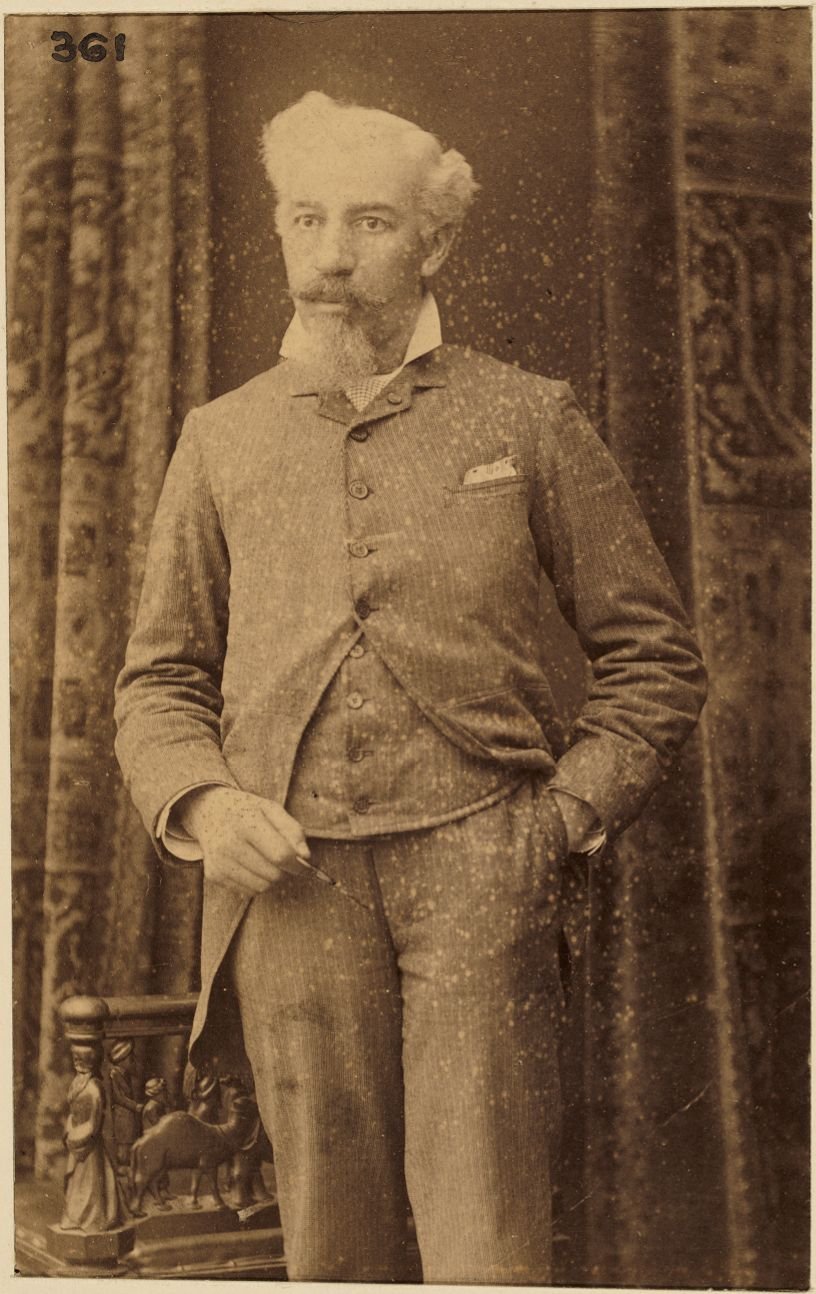
Colonel Charles B. Hicks, circa 1900. Irene Cox Collection, Alexander Turnbull Library (National Library of New Zealand). Public domain.
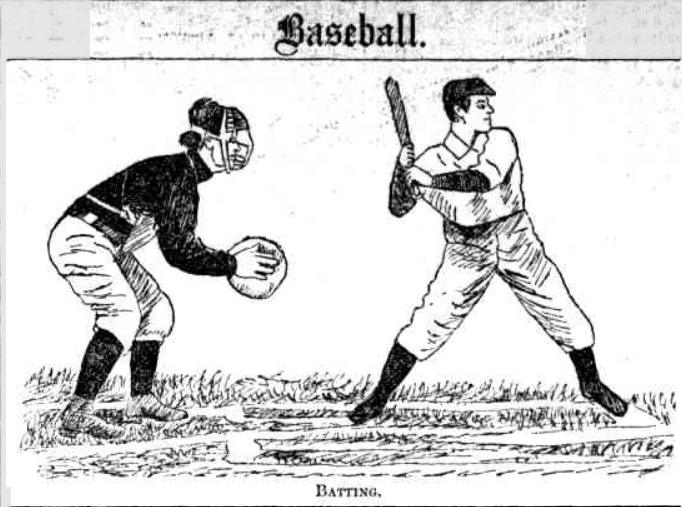
Baseball, Chronicle (Adelaide, SA), 24 April 1897. Image created by Trove. Public domain.
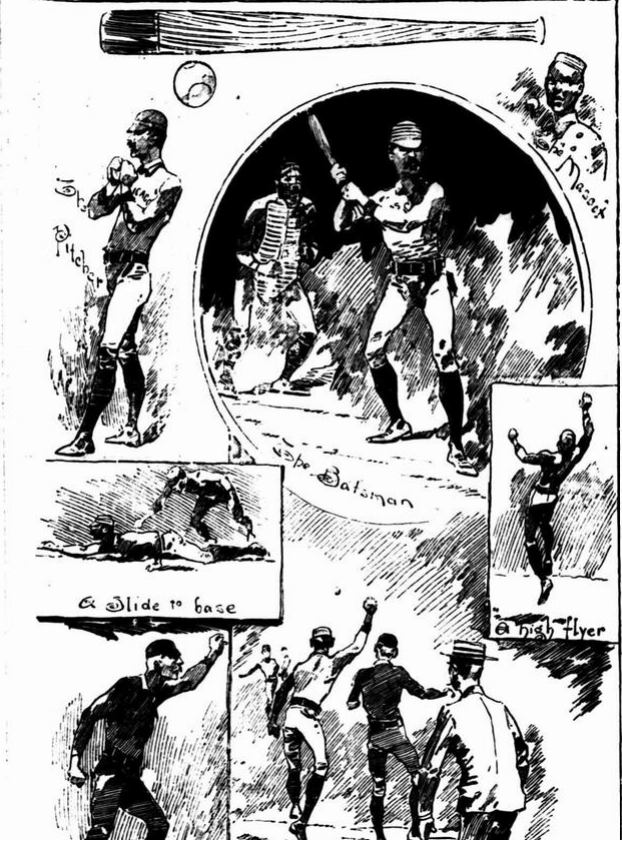
Baseball Sketches, Illustrated Australian News, 12 January 1889. Image created by Trove. Public domain.
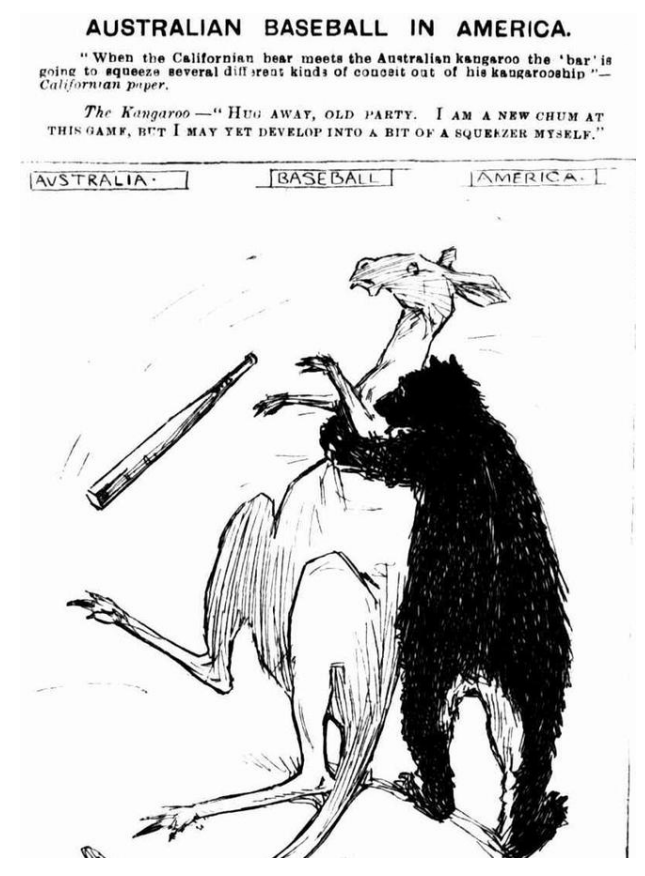
Australian Baseball in America, Melbourne Punch, 27 May 1897.